If summer camping tends to leave you sneezing, congested or reaching for extra tissues, the environment around your campsite may be playing a bigger role than you realize. In Southwest Idaho, mountain and valley campgrounds come with different allergy triggers. Knowing what to expect can help you stay more comfortable and enjoy the trip you’ve been planning, and with Boise ranked #1 worst city for allergens in 2026 by the Allergy and Asthma Foundation of America,1 it’s more important than ever to be prepared.
Camping Near Boise’s Mountains: Bogus Basin Area
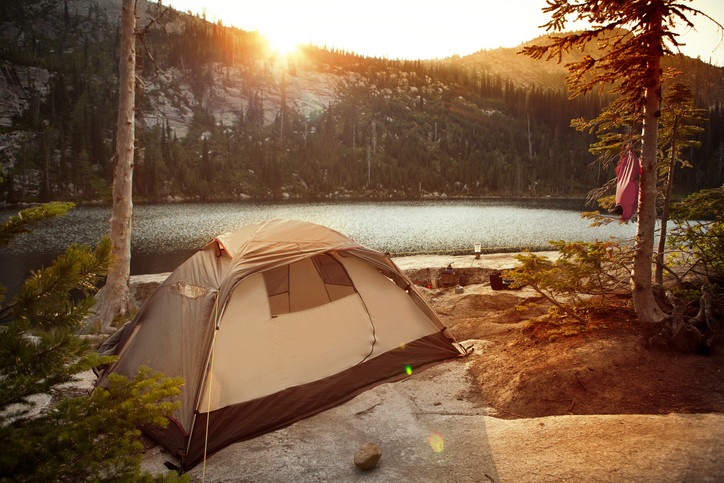
Bogus Basin and the nearby Boise Ridge are popular summer destinations when valley temperatures climb. The cooler air can feel wonderful, but mountain environments still contain allergens. In summer, grass pollen remains active at higher elevations, and mold spores can develop on damp vegetation, shaded ground and stored camping equipment. Checking allergen levels in the basin area can help you prepare properly.2
Three often-overlooked ways to reduce allergy exposure in mountain campsites include:
- Let tents, sleeping bags and camp chairs fully dry before packing them away between trips. Damp gear can collect mold spores.
- Avoid storing backpacks and clothing directly on forest floors where moisture tends to linger.
- Position your tent away from dense stands of grass and wildflowers when campsite options allow.
Those small adjustments won’t eliminate allergens, but they can reduce unnecessary exposure.
Camping in a High Desert Environment: Bruneau Dunes State Park
Bruneau Dunes offers a very different setting from the forests above Boise. The surrounding landscape contains open terrain where wind can easily move pollen and dust. During late summer, common valley allergens may include sagebrush, Russian thistle and ragweed pollen around portions of the Treasure Valley region.
Here are three different strategies that people frequently overlook:
- Change clothes before climbing into your sleeping bag after a day outdoors.
- Keep vehicle windows closed during the drive to and from camp when pollen counts are elevated.
- Use a saline nasal rinse after returning to camp to help remove inhaled allergens.
Why Do Symptoms Sometimes Seem Worse At Night?
Pollen and other airborne particles can settle onto clothing, hair and camping gear throughout the day. Once you’re in a tent, those irritants may stay in a smaller enclosed space.
Understanding The Trigger Comes First
When symptoms appear during camping trips, the goal isn’t simply avoiding the outdoors. It’s understanding what specifically causes the reaction. Mountain campsites and valley campsites often present different challenges.
At Southwest Idaho Ear, Nose and Throat, helping identify allergy triggers is often the first step toward more focused treatment decisions. The more clearly you understand what’s causing your symptoms, the easier it becomes to stay active, comfortable and confident during Idaho’s camping season.
Sources
1Asthma and Allergy Foundation of America. “2026 Allergy Capitals®.” https://aafa.org/asthma-allergy-research/allergy-capitals/
2 The Weather Channel. “Pollen Count and Allergy Info for Bogus Basin, Boise, Idaho.” https://weather.com/us/idaho/boise/ski/bogus-basin/allergy Learn More: