We’ve written about hyperacusis before; it’s a sound sensitivity condition that causes certain sounds, usually background noise or other everyday sounds, to be uncomfortably loud, even painful. Misophonia is similar in that it is also a sound sensitivity condition, but it has some crucial differences from hyperacusis.
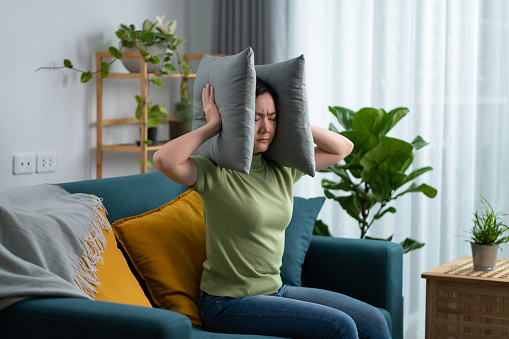
What Is Misophonia?
People with misophonia have trigger sounds that they have a low tolerance for or aversion to. These trigger sounds are different for every person, but some common ones are chewing food, loud breathing, water dripping from a faucet or a pen clicking. Their intolerance or aversion goes beyond just mere annoyance; misophonia will trigger an extreme, almost overpowering emotional response, such as:
- Anger
- Rage
- Anxiety
- Terror
- Disgust
- Panic
Often, the trigger sound prompts the body’s stress response, resulting in physical reactions such as increased heart rate, faster breathing, sweating or chest pressure.
How Common Is This Condition?
Misophonia needs more research, as there is currently no consensus on diagnostic criteria. In fact, misophonia is not currently officially recognized as a distinct disorder, but many experts still recognize it. Therefore, we can only estimate at this time, but it is estimated that between 5 and 20% of people have experienced some degree of misophonia. The wide range of this estimate has a lot to do with differences in the severity of how it’s experienced, as well as conflicting ideas on what severity would entail a diagnosis.
What Causes Misophonia?
Since there’s still ongoing research into misophonia, experts do not yet know what causes it. There are some prevailing theories, however. Some suspected factors are genetics (e.g., family history), differences in brain structure, and some neurodivergent conditions, mental health conditions and hearing-related conditions.
How Is Misophonia Treated?
Everyone experiences misophonia differently, so treatments may vary. The best place to start is by identifying your trigger sound. With this knowledge, you can avoid or anticipate any exposure to that sound. Earplugs or other hearing protection can be helpful for some people with misophonia.
Psychotherapy has been known to be useful as well, as it emphasizes coping strategies that can help reduce the emotional reaction caused by a misophonia episode.
Additionally, if misophonia is occurring with another mental health or neurodivergent condition, such as obsessive-compulsive disorder (OCD), autism spectrum disorder or ADHD, managing that condition may help with misophonia, as well, since there may be links between them.
What Are the Key Differences Between Misophonia and Hyperacusis?
If you’re struggling with a type of sound sensitivity condition, you may be unsure whether it’s hyperacusis or misophonia at first. But there are some differences that can help you determine which one it is.
First, hyperacusis is triggered by noise in general: people chatting, traffic sounds or a refrigerator humming, for example. Misophonia, on the other hand, has a specific trigger sound. The reaction you have to the sound will be different, as well. With hyperacusis, the background noise is so loud that it becomes painful, leading to ear pain, a feeling of pressure in the ear or tinnitus. With misophonia, the reaction is mostly emotional (rage, disgust, panic, as stated above), and any physical response occurs in the body, not specifically in the ear as it does with hyperacusis.
Also, the two conditions benefit from different treatment strategies. Misophonia may require some kind of therapy and healthy coping techniques. People with hyperacusis may find relief in using hearing aids, with which you can control sound and volume settings, turning down or filtering out background noise that might otherwise become too loud to bear.
If you have been dealing with sound sensitivity or other hearing-related conditions, call us at Southwest Idaho Ear, Nose and Throat. We would be happy to answer any questions you have and schedule an appointment for a consultation.